

Imagine this: You’re sitting in a cozy coffee shop with a close friend. Between sips of cappuccino, they suddenly ask, “Hey, is behavioral health the same as mental health?”
At first, you pause. You’ve heard both terms a lot—on TV, in wellness blogs, and during doctor visits—but they often seem interchangeable. Still, deep down, you wonder if they really mean the same thing or if there’s a hidden difference.
"The first step to caring for yourself is understanding yourself."
Unknown
That’s exactly what this guide is here to clear up. We’ll explore the definitions, key differences, how they overlap, and why it matters for your daily life. By the end, you’ll not only be able to answer your friend with confidence but also gain tools to take better care of yourself.
So, let’s dive in.
Understanding Behavioral Health

Behavioral health focuses on the connection between your daily habits and your overall well-being. It’s about how your behaviors—like sleeping patterns, eating habits, exercise, stress management, or even substance use—affect your health.
"We are what we repeatedly do. Excellence, then, is not an act, but a habit."
– Aristotle
Think of it like this: Every small decision you make throughout the day is a “vote” for your behavioral health. Choosing to go for a walk instead of scrolling endlessly on your phone, saying no to that third cup of coffee, or deciding to talk to a friend instead of bottling up stress—all of these behaviors add up.
Common Areas of Behavioral Health
Substance use (alcohol, smoking, drugs)
Eating habits and disorders
Exercise and physical activity
Coping strategies for stress
Sleep quality
Managing chronic illness with healthy routines
"We are what we repeatedly do. Excellence, then, is not an act, but a habit."
– Aristotle
In short, behavioral health is the bridge between what you do and how you feel.
Understanding Mental Health

Mental health, on the other hand, deals with your thoughts, emotions, and psychological well-being. It’s not just about the absence of mental illness—it’s about feeling balanced, resilient, and capable of handling life’s challenges.
"The mind and body are not separate. What affects one, affects the other."
Unknown
Core Aspects of Mental Health
Emotional well-being (happiness, sadness, anger)
Cognitive health (clarity of thought, decision-making)
Social connections (relationships, communication)
Resilience (ability to bounce back from setbacks)
Common Mental Health Conditions
Anxiety disorders
Depression
Bipolar disorder
Schizophrenia
Post-traumatic stress disorder (PTSD)
Mental health is more about your inner world—how you process, perceive, and respond to life.
Is Behavioral Health the Same as Mental Health?

Here comes the big question: Is behavioral health the same as mental health?
The short answer is no—but they’re deeply connected.
"The mind and body are not separate. What affects one, affects the other."
Unknown
Behavioral health is about the actions and habits that affect your overall wellness, while mental health is about your emotions and psychological state. Sometimes they overlap so much that people confuse them, but understanding the difference helps us care for ourselves more completely.
Aspect | Behavioral Health | Mental Health |
Focus | Habits and actions | Emotions and psychological state |
Examples | Eating habits, sleep, substance use | Anxiety, depression, bipolar |
Treatment | Therapy, lifestyle changes | Therapy, counseling, medication |
Key Differences Between Behavioral and Mental Health
Root Causes: Behavioral health problems often stem from lifestyle habits (e.g., poor sleep, substance abuse), while mental health issues arise from biological, psychological, or environmental factors.
Treatment Focus: Behavioral health interventions emphasize changing actions, while mental health care may require addressing thought patterns or chemical imbalances.
How Behavioral Health Impacts Mental Health
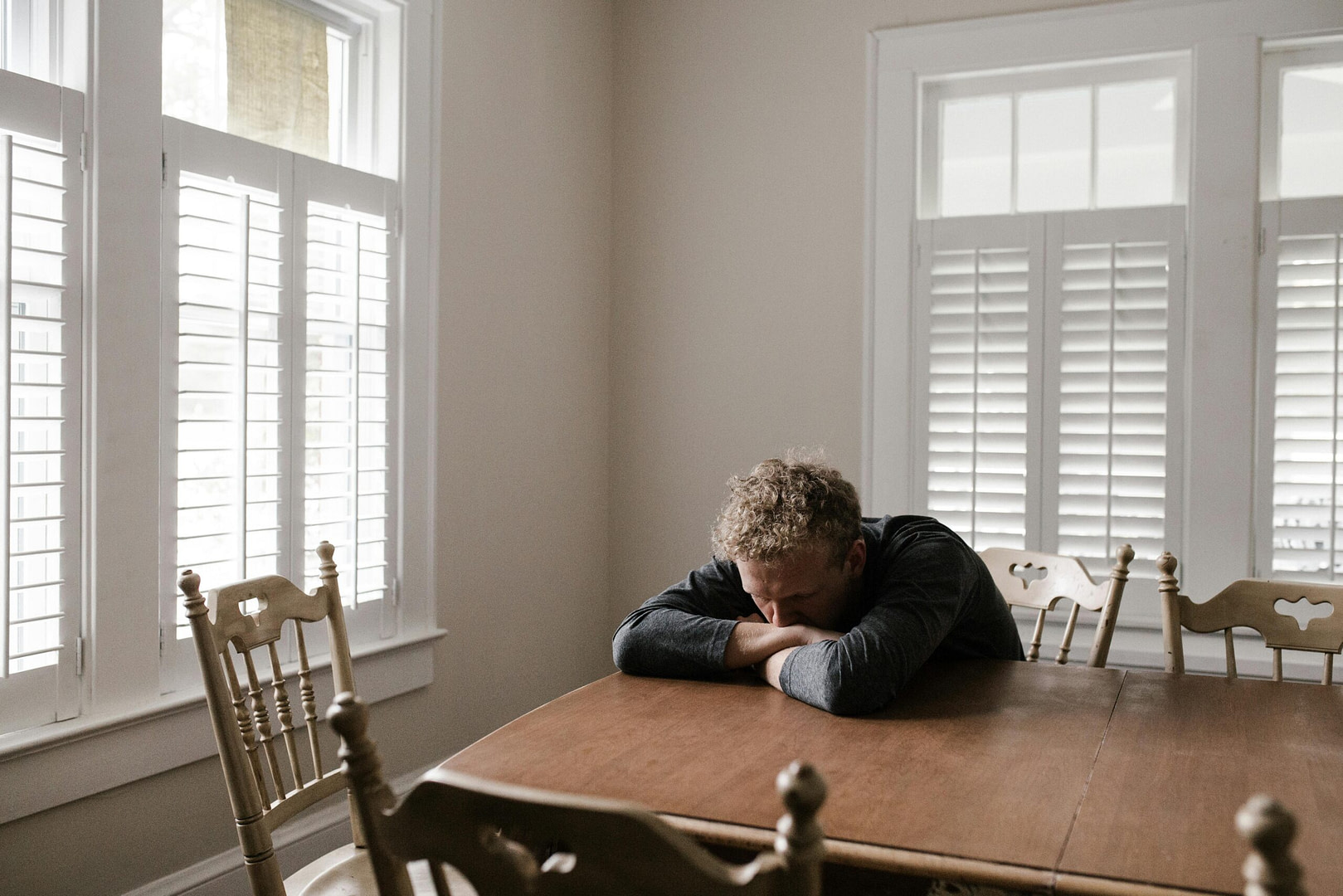
Your daily habits have a huge effect on your emotional state. Imagine two people:
Person A eats balanced meals, exercises regularly, and sleeps 7–8 hours.
Person B skips meals, stays up late, and relies on caffeine to push through.
"Your mental health is a priority. Your happiness is essential. Your self-care is a necessity."
Unknown
Who’s more likely to experience mood swings, anxiety, or burnout? Clearly, Person B. That’s behavioral health directly shaping mental health.
Poor sleep, substance misuse, and lack of exercise can trigger or worsen mental illnesses.
How Mental Health Impacts Behavioral Health
Now flip the scenario. Imagine someone dealing with depression. Even small tasks feel overwhelming—cooking, showering, or exercising. As a result, they might skip meals, stop moving their body, or isolate themselves.
This shows how poor mental health can lead to unhealthy behaviors, creating a cycle that worsens both areas.
Why This Distinction Matters
You might wonder: Why does it matter whether they’re the same or different?
For patients: Knowing the difference helps them understand treatment options.
For families: They can better support loved ones with specific needs.
For workplaces: Employers can create wellness programs that address both lifestyle and psychological needs.
Understanding both terms empowers us to care for the whole person.
How to Improve Both Behavioral and Mental Health Together

Here are some practical tips anyone can apply:
"Small daily improvements are the key to long-term results."
– John C. Maxwell
Move daily: Even a 20-minute walk boosts both mood and energy.
Practice mindfulness: Meditation, deep breathing, or prayer can calm both mind and body.
Eat balanced meals: Food fuels not just your body but also your brain chemistry.
Sleep smart: A consistent sleep routine is a game-changer for mental clarity.
Talk it out: Therapy or simply opening up to a trusted friend strengthens both behavioral and mental wellness.
Imagine two versions of your day: one filled with small healthy choices, and one filled with skipped meals and stress scrolling. Which life feels lighter, calmer, and more resilient?
Common Misconceptions
Myth: Behavioral and mental health are the same.
Truth: They overlap but aren’t identical.
Myth: Only people with “serious problems” need care.
Truth: Everyone benefits from proactive behavioral and mental health practices.
Myth: Medication is the only solution.
Importance of Seeking Professional Help
Sometimes self-care isn’t enough. If you notice persistent sadness, anxiety, or destructive habits, it’s important to seek professional help.
"Asking for help is the bravest thing you can do."
– Unknown
Behavioral health specialists can guide you in changing habits.
Mental health professionals (psychologists, psychiatrists) can diagnose and treat disorders.
Seeking help isn’t weakness—it’s courage.
FAQs
1. Is behavioral health the same as mental health?
Not exactly. Behavioral health is about habits, while mental health is about thoughts and emotions.
2. Can someone have good mental health but poor behavioral health?
Yes. For example, someone may feel emotionally balanced but have unhealthy eating or sleeping habits.
3. Do insurance providers treat them differently?
Yes, in many cases, coverage categories differ, but it depends on the provider.
4. How often should I check in on my behavioral and mental health?
Ideally, daily. Just like physical checkups, small self-checks can prevent larger issues.
Conclusion

So, is behavioral health the same as mental health? Not quite. They’re like two sides of the same coin—different, but deeply connected.
"Take care of your body. It’s the only place you have to live."
– Jim Rohn
Your behaviors shape your mind, and your mind shapes your behaviors. Together, they influence your overall well-being. By caring for both, you don’t just prevent illness—you unlock the best version of yourself.
Struggling with self-doubt? Our post on Justin Bieber imposter syndrome shows how even celebrities face the same challenges and what we can learn from them.
Remember: small daily choices, combined with emotional awareness, can transform your life. So take that walk, call that friend, or schedule that therapy session. Your mind and body will thank you.