
Cognitive behavioral therapy for general anxiety disorder is one of the most effective ways to overcome the constant worry, fear, and tension that many people silently endure. Anxiety is a word we all know — a feeling we’ve all experienced at some point in life. A racing heart before giving a speech, sweaty palms during an interview, or a sleepless night before an exam. But when anxiety takes over your daily life, it may be time to seek help — and CBT, combined with mindfulness techniques like guided meditation, can help you find your way back to calm.
“Anxiety does not empty tomorrow of its sorrows, but only empties today of its strength.”
— Charles Spurgeon
But when anxiety stops being just an occasional visitor and starts overstaying its welcome — interfering with daily life, relationships, and health — it may be a sign of something more serious: an anxiety disorder.
Anxiety disorders are among the most common mental health issues worldwide, yet they’re also among the most misunderstood. Fortunately, effective treatments like guided meditation and cognitive behavioral therapy for generalized anxiety disorder (GAD) can help people regain balance and peace.
This comprehensive guide will explore what anxiety disorders are, their symptoms and types, and how two powerful tools — guided meditation and CBT — can help you heal and thrive.
Understanding Anxiety: When Worry Becomes a Disorder

At its core, anxiety is a natural biological response. It’s part of our body’s “fight or flight” system, designed to protect us from danger. When we perceive a threat — whether real or imagined — the brain releases stress hormones like cortisol and adrenaline, sharpening our focus and energizing our body to respond.
But when the alarm system gets stuck in the “on” position, and worry or fear becomes constant, it can take a toll on mental and physical health.
The World Health Organization (WHO) estimates that over 264 million people globally live with an anxiety disorder — a staggering number that reflects not only its prevalence but also the need for greater awareness and support. One of the most effective treatments is cognitive behavioral therapy for general anxiety disorder, which helps individuals identify and reframe negative thought patterns. By combining mindfulness techniques and cognitive behavioral therapy for general anxiety disorder, many people are able to regain control of their lives and reduce the overwhelming impact of anxiety.
Types of Anxiety Disorders

Anxiety doesn’t look the same for everyone. There are several distinct types of anxiety disorders, each with its own unique challenges.
1. Generalized Anxiety Disorder (GAD)
People with GAD experience chronic, excessive worry about everyday things — even when there’s little or no reason to worry. This worry is often uncontrollable and can cover many areas of life, such as health, work, finances, and family.
It’s like a constant hum of anxiety in the background of everything you do, leaving you feeling drained and restless.
2. Panic Disorder
Panic disorder involves sudden and intense episodes of fear, known as panic attacks. These attacks can strike without warning and bring on physical symptoms like chest pain, rapid heartbeat, dizziness, and a sense of losing control.
“Panic is a sudden desertion of us, and a going over to the enemy of our imagination.”
— Christian Nestell Bovee
Many people with panic disorder also develop a fear of having another attack, which can lead them to avoid certain situations.
3. Social Anxiety Disorder
Social anxiety disorder (or social phobia) is the fear of being judged, humiliated, or rejected in social situations. People with this condition may avoid parties, meetings, or even casual conversations because of intense anxiety about how others perceive them.
4. Obsessive-Compulsive Disorder (OCD)
OCD is characterized by persistent, unwanted thoughts (obsessions) and repetitive behaviors (compulsions) performed to ease the anxiety those thoughts create.
For example, someone might wash their hands repeatedly due to fear of germs, even when they logically know it’s unnecessary.
5. Post-Traumatic Stress Disorder (PTSD)
PTSD occurs after experiencing or witnessing a traumatic event, such as combat, assault, or a natural disaster. Symptoms can include flashbacks, nightmares, hypervigilance, and emotional numbness.
6. Specific Phobias
Specific phobias are intense, irrational fears of certain objects or situations — like spiders, flying, heights, or needles — that can interfere with daily activities.
Common Symptoms of Anxiety Disorders

Although each type of anxiety disorder has unique features, they all share a core set of symptoms, including:
- Excessive, uncontrollable worry or fear
- Restlessness or feeling on edge
- Irritability or mood swings
- Fatigue, even after adequate sleep
- Difficulty concentrating or focusing
- Muscle tension, headaches, or back pain
- Insomnia or frequent waking at night
- Digestive issues, like nausea or diarrhea
- Rapid heartbeat, sweating, or trembling
Living with anxiety can feel like being trapped in a cycle of fear and avoidance, but it’s important to remember that effective treatments, like cognitive behavioral therapy for general anxiety disorder, exist — and recovery is possible. Many have found that combining mindfulness practices with cognitive behavioral therapy for general anxiety disorder helps break the cycle and build lasting resilience.
Guided Meditation: Calming the Storm
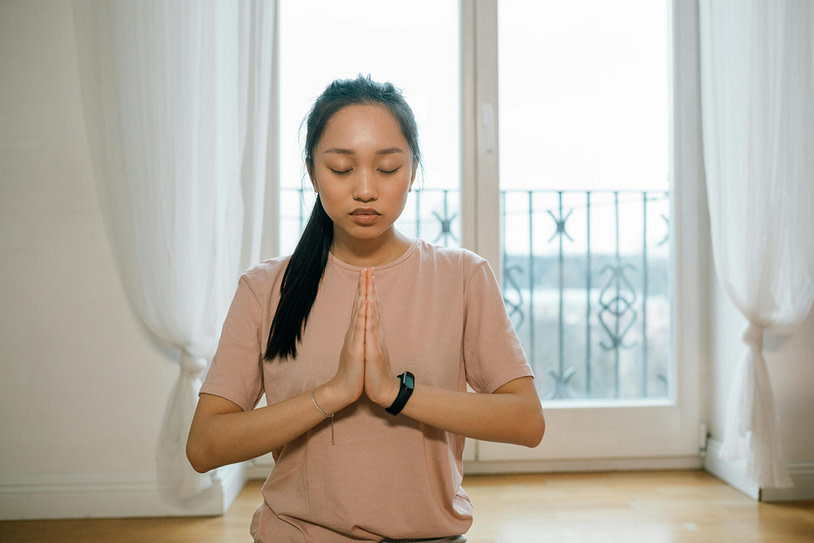
One of the most accessible and effective ways to manage anxiety is through guided meditation. Meditation has been practiced for thousands of years, but modern science has validated its benefits for mental health, including reducing symptoms of anxiety and depression. Alongside mindfulness practices, cognitive behavioral therapy for general anxiety disorder has also been shown to help individuals break free from patterns of worry and fear.
A meta-analysis by Johns Hopkins University found that regular meditation practice has a measurable impact on psychological well-being, especially when combined with cognitive behavioral therapy for general anxiety disorder, offering a holistic approach to managing anxiety and restoring balance.
So how does guided meditation help?
Cultivating Mindfulness
Mindfulness — the practice of staying fully present in the moment — is at the heart of meditation. By focusing on your breath, bodily sensations, or a calming voice, you learn to observe your thoughts without getting swept away by them.
This can help you break the cycle of rumination and worry that fuels anxiety.
Mindfulness is the aware, balanced acceptance of the present experience. It isn’t more complicated than that.”
— Sylvia Boorstein
Relaxing the Body and Mind
Guided meditation often incorporates deep breathing, progressive muscle relaxation, or visualization exercises. These techniques calm the nervous system, lower heart rate, and reduce the production of stress hormones.
Changing Your Relationship with Thoughts
Rather than fighting or suppressing negative thoughts, meditation teaches you to acknowledge them and let them pass. Over time, you may find that anxious thoughts lose their power over you. Similarly, cognitive behavioral therapy for general anxiety disorder helps you recognize these patterns and reframe them into healthier, more constructive thoughts. When combined, meditation and cognitive behavioral therapy for general anxiety disorder provide powerful tools to regain control over your mind and emotions.
Even just 10–20 minutes of guided meditation a day can lead to noticeable improvements in mood and anxiety levels.
Cognitive Behavioral Therapy (CBT): Rewiring Your Mind

While meditation helps soothe your mind, cognitive behavioral therapy for generalized anxiety disorder works on changing the underlying thought patterns and behaviors that fuel anxiety.
CBT is considered the gold standard treatment for GAD and many other anxiety disorders because it’s highly effective and provides lasting results.
How CBT Works
CBT is based on the idea that our thoughts, feelings, and behaviors are interconnected. When we change the way we think about a situation, we can change how we feel and behave.
For example:
Thought: “I’m going to fail this presentation.”
Feeling: Panic, dread.
Behavior: Avoids the presentation or performs poorly.
CBT helps you identify these negative thought patterns and replace them with more realistic, helpful ones.
Skills You Learn in CBT
Recognizing and challenging irrational beliefs
Developing problem-solving strategies
Gradual exposure to feared situations
Relaxation and breathing techniques
Setting achievable goals and tracking progress
Research shows that CBT not only reduces anxiety symptoms but also helps prevent relapse, making it a powerful tool for long-term mental health.
Why Combine Guided Meditation and CBT?
You don’t have to choose between guided meditation and CBT — in fact, they work beautifully together.
Guided meditation builds awareness and emotional regulation.
CBT provides structured tools to challenge and change harmful thoughts and behaviors.
Together, they create a holistic approach to managing anxiety, addressing both immediate symptoms and long-term patterns.
For example:
Start your day with a 15-minute guided meditation to center yourself.
Use CBT techniques to challenge anxious thoughts during the day.
End your day with another meditation session to relax before bed.
Lifestyle Tips to Support Your Mental Health

In addition to therapy and meditation, there are lifestyle changes that can help manage anxiety:
“Take care of your body. It’s the only place you have to live.”
— Jim Rohn
Get regular exercise — even a daily walk can help.
Limit caffeine and alcohol, which can exacerbate anxiety.
Maintain a consistent sleep schedule.
Stay connected with supportive friends and family.
Practice gratitude and keep a journal of positive moments.
Seek professional help when needed — there’s no shame in asking for support.
When to Seek Professional Help
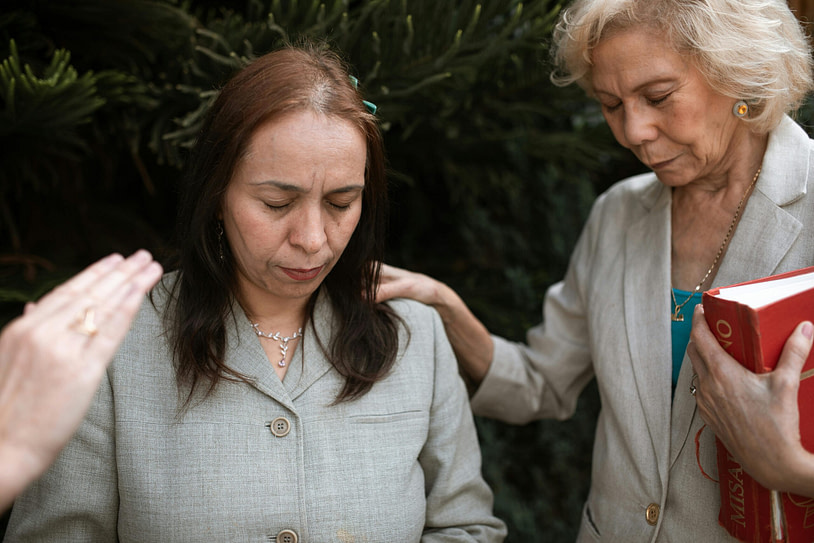
If your anxiety feels overwhelming or interferes with your ability to function, it’s important to reach out to a mental health professional. Signs you might need help include:
“Asking for help isn’t giving up. It’s refusing to give up.”
— Charlie Mackesy
Anxiety that persists for months
Avoidance of everyday activities or social situations
Panic attacks or intrusive thoughts
Difficulty maintaining relationships or work responsibilities
Thoughts of self-harm or hopelessness
Remember: seeking help is a sign of strength, not weakness. There are skilled therapists, counselors, and resources available to guide you through your journey to healing.
How the Mindset Booster App Can Help You
If you’re ready to take control of your anxiety, the Mindset Booster App is here to support you every step of the way.
With dozens of guided meditation sessions tailored to anxiety, stress relief, sleep, and mindfulness, the app makes it easy to incorporate meditation into your daily life — whether you’re at home, at work, or on the go.
Why Choose Mindset Booster?
Professionally recorded guided sessions with calming voices.
Meditations ranging from 5 to 30 minutes — perfect for any schedule.
Categories designed specifically for anxiety, confidence, focus, and sleep.
Progress tracking to keep you motivated.
Available anytime, anywhere — right in your pocket.
Even if you’ve never meditated before, Mindset Booster makes it simple and approachable. Just press play, and let the soothing guidance help you relax, breathe, and find your center.
Final Thoughts

Anxiety disorders can feel isolating and exhausting, but you’re not alone — and you don’t have to face it without tools and support. Guided meditation and cognitive behavioral therapy for generalized anxiety disorder are both proven, effective strategies for regaining control over your mind and your life.
With consistent practice and the right support, it’s absolutely possible to quiet your anxious thoughts and move forward with confidence and peace.
Take the First Step Today
Start managing your anxiety and reclaim your calm with the Mindset Boosters 7 day free trial Whether you want to meditate, build mindfulness, or complement your CBT journey, the app has everything you need to begin — and sustain — your healing.
Go to Mindset Boosters 7 day free trial now! now and take charge of your mental well-being today. Your journey to a calmer, more resilient you starts here.
Remember, you are more than your anxiety. Stay strong, stay hopeful, and let the Mindset Booster App guide you on your healing journey. Try the app today to start your path towards a calmer and more serene life.
Footnotes
- https://www.who.int/news-room/fact-sheets/detail/mental-disorders
- https://www.nimh.nih.gov/health/topics/generalized-anxiety-disorder-gad
- https://www.nimh.nih.gov/health/topics/panic-disorder
- https://www.nimh.nih.gov/health/topics/social-anxiety-disorder
- https://www.nimh.nih.gov/health/topics/obsessive-compulsive-disorder-ocd
- https://www.nimh.nih.gov/health/topics/post-traumatic-stress-disorder-ptsd
- https://www.mayoclinic.org/diseases-conditions/specific-phobias/symptoms-causes/syc-20355156
- https://www.hopkinsmedicine.org/news/media/releases/meditation_for_anxiety_and_depression
Frequently Asked Questions
1. What are the types of Anxiety Disorders?
There are several types of anxiety disorders, including Generalized Anxiety Disorder (GAD), Panic Disorder, Social Anxiety Disorder, Obsessive-Compulsive Disorder (OCD), Post-Traumatic Stress Disorder (PTSD), and Specific Phobias. Each type has unique symptoms and triggers but are all characterized by excessive and persistent fear or worry.
2. How common are Anxiety Disorders?
According to the World Health Organization (WHO), approximately 264 million people worldwide suffer from anxiety disorders, making it the most common type of mental health disorder.
3. Can anxiety disorders be treated?
Yes, anxiety disorders can be effectively treated. Therapies such as cognitive-behavioral therapy (CBT), medication, and other holistic approaches such as mindfulness and meditation have shown effectiveness in managing and treating anxiety disorders.
4. How does guided meditation help with anxiety?
Guided meditation can help reduce anxiety by training your mind to focus on the present moment, promoting relaxation, and changing patterns of negative thinking. It helps you develop a new relationship with your thoughts, allowing you to observe them rather than being controlled by them.
5. I am new to meditation. Can I still use the Mindset Booster App?
Absolutely! The Mindset Booster App is designed for both beginners and experienced meditators. Each guided meditation session walks you through the process, making it easy for anyone to start their meditation journey.
6. Can I use the Mindset Booster App to help with other mental health conditions?
While the Mindset Booster App is especially helpful for managing anxiety, the principles of mindfulness and meditation can also be beneficial for managing other mental health conditions such as depression and stress. However, it's essential to consult with a healthcare professional for the appropriate treatment for any mental health condition.
7. How can I access the Mindset Booster App?
The Mindset Booster App is available online at mindsetboosters.com.