

Picture this. A crowded networking event, voices overlapping, handshakes exchanged, glasses clinking. And then—someone walks in. They don’t speak. They don’t announce themselves. But somehow, the entire energy of the room shifts. Heads turn. Conversations slow. Without saying a single word, this person has already made an impact.
What is that? Why does it happen? And perhaps the most important question: how can you cultivate it for yourself?
"As is our confidence, so is our capacity."
–William Hazlitt
This is what people call the aura of confidence. It’s not arrogance. It’s not bravado. It’s something deeper, subtler, more magnetic. It’s what makes some people naturally command respect before they’ve even opened their mouth.
In this piece, we’ll explore not just what the aura of confidence is, but why it matters in every part of your life—from relationships to business to leadership. We’ll mix research, psychology, history, and motivational storytelling to unpack the mystery of confidence.
1. The First Impression Effect
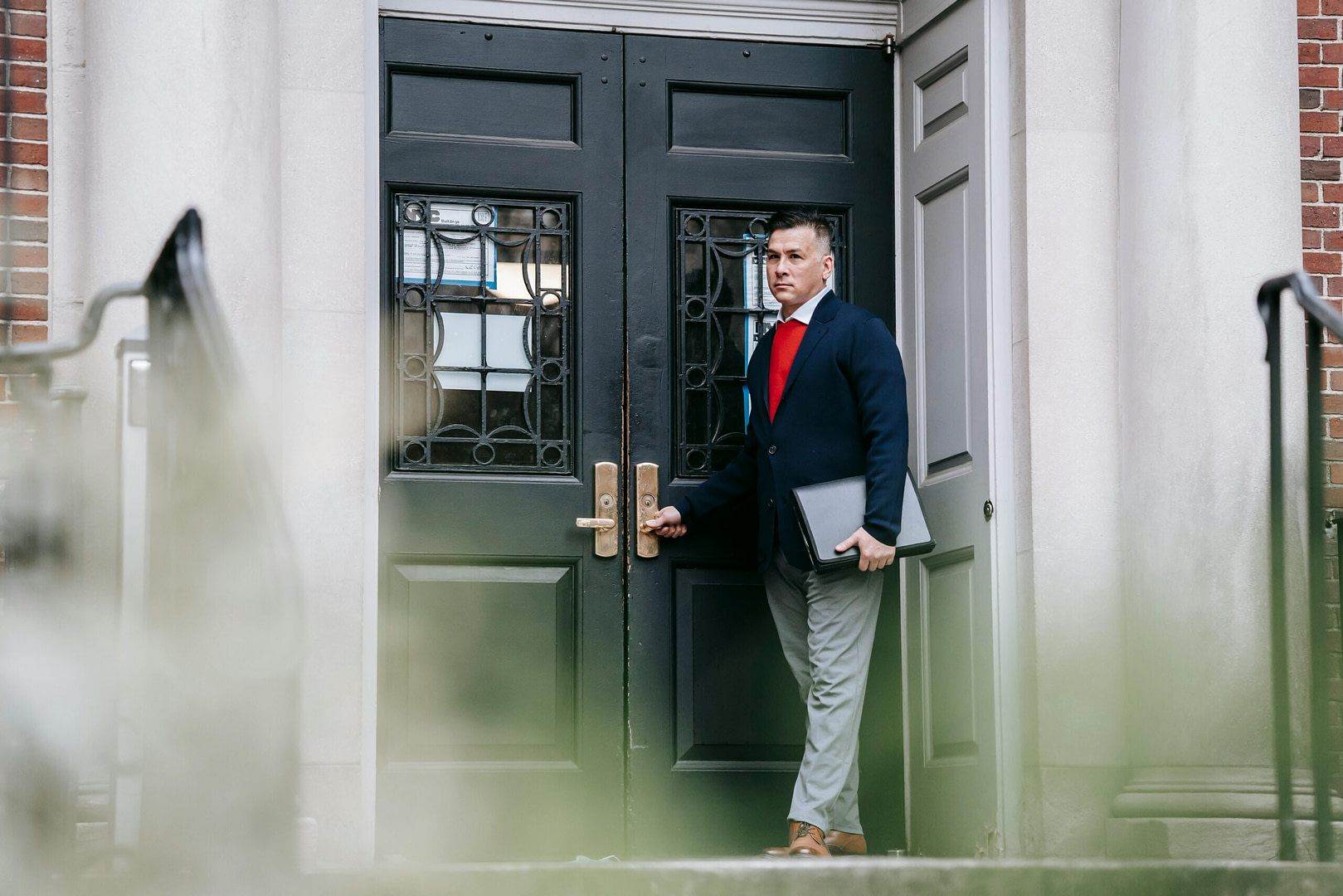
Science has proven that humans form impressions in milliseconds. A study by Princeton psychologists Janine Willis and Alexander Todorov revealed that people decide whether they trust someone within a tenth of a second of seeing their face.
That means before you’ve spoken, before you’ve explained yourself, before you’ve even shaken a hand—the judgment has already been made. And confidence is the filter through which people interpret you.
"You never get a second chance to make a first impression."
– Will Rogers
Think about it. Two people walk into the same room. One with hunched shoulders, hesitant steps, and darting eyes. The other with upright posture, steady pace, and calm presence. Who gets taken seriously?
The aura of confidence is about signaling competence and security without saying a word. People trust what feels certain, and when you carry yourself with certainty, others can’t help but believe in you.
2. Body Language: The Unspoken Language of Power

Words are cheap. Your body tells the truth.
Research from psychologist Albert Mehrabian found that 93% of communication is nonverbal—55% body language, 38% tone of voice, only 7% words. That means your confidence is being communicated long before your carefully rehearsed introduction leaves your mouth.
"The body never lies."
– Martha Graham
Powerful body language is subtle. It’s not about puffing your chest or exaggerating movements. It’s about grounded stillness. Confident people don’t fidget because they’re not in a rush to prove themselves. They don’t over-gesture because they know their presence is enough.
Observe leaders, athletes, or great speakers. They often occupy space with ease, not insecurity. The aura of confidence lives in the stillness between movements, the pause before words, the relaxed but alert posture that says: I belong here.
3. The Science of Presence

Confidence radiates most strongly through presence—the ability to be fully engaged in the moment.
Psychologists call this “state confidence,” a temporary surge of belief in one’s abilities linked to being present. Studies in sports psychology show that athletes who cultivate presence—through mindfulness and focus—perform at significantly higher levels.
Why? Because presence eliminates the two killers of confidence: anxiety about the future and regret about the past. When you’re present, you project calm. Calm is rare. And rarity commands attention.
"Wherever you are, be all there."
– Jim Elliot
People who walk into a room with full presence aren’t distracted by their phone, rehearsing lines in their head, or worried about what others think. They’re grounded, here and now. That’s magnetic.
4. Self-Belief as a Signal

Confidence is contagious. But before others can believe in you, you must first believe in yourself.
This isn’t just motivational fluff. Neuroscience backs it up. Self-belief activates the brain’s reward system, releasing dopamine and serotonin, which improve mood, focus, and resilience. That chemical state affects not only how you feel, but also how you appear.
People sense when you don’t believe your own words. They also sense when you do. And the latter creates a ripple effect—others begin to invest in your certainty.
Think about leaders throughout history. They weren’t flawless. They didn’t know every answer. But they carried an unshakable self-belief that pulled others into their orbit. The aura of confidence is really the aura of someone who has chosen to believe in themselves, regardless of external circumstances.
5. The Fine Line Between Confidence and Arrogance
Let’s be clear: confidence is not arrogance.
Arrogance pushes people away. Confidence draws them in. The difference lies in intention. Confidence is self-assurance without diminishing others. Arrogance is insecurity disguised as superiority.
"Confidence is when you believe in yourself. Arrogance is when you only believe in yourself."
– Stewart Stafford
Social psychology studies confirm that arrogance is often a mask for low self-esteem. True confidence doesn’t need to dominate. It doesn’t need to constantly assert itself. It simply is.
The aura of confidence comes from humility paired with strength. You know your worth, but you don’t need to shout it. People respect those who radiate quiet conviction more than those who scream for validation.
6. Confidence in Voice: The Power of Tone

Your voice can betray or amplify your confidence. Research shows that people with deeper, steadier voices are often perceived as more competent and trustworthy.
But tone isn’t about pitch alone—it’s about control. Speaking too fast signals nervousness. Over-explaining signals insecurity. Filling silence with filler words dilutes authority.
Confident speakers embrace pauses. They know silence isn’t awkward—it’s powerful. Their words land because they’re not rushed. The aura of confidence can be heard as much as it can be seen.
7. The Role of Preparation
Confidence doesn’t appear out of thin air. It’s built on preparation.
Consider a great athlete before a game. Their aura of confidence isn’t mystical. It’s earned through hours of training, studying, and repetition. The same applies in business, leadership, or social dynamics.
"Luck is what happens when preparation meets opportunity."
– Seneca
Psychology calls this competence-confidence loop: the more skilled you are, the more confident you feel; the more confident you feel, the more skilled you become (because you take risks that accelerate growth).
Preparation frees you from doubt. When you know you’ve done the work, you enter the room differently. People can feel it.
8. Dressing the Part
Appearance matters—not because of shallow judgment, but because clothing communicates identity. Studies in “enclothed cognition” show that what you wear directly impacts both how others perceive you and how you perceive yourself.
"Dress for the job you want, not the job you have."
– Austin Kleon
Think of a soldier in uniform, a lawyer in a tailored suit, or a creative in bold, unique attire. The clothes signal role, authority, and self-respect. Dressing with intention amplifies the aura of confidence because it sends a clear message: I value myself.
9. The Role of Authenticity

Confidence without authenticity feels fake.
True confidence comes from alignment—your words, actions, and values matching. People can sense when you’re wearing a mask. They can also sense when you’re real.
Authenticity requires courage. It means not molding yourself to please every person in the room. It means standing firm in your identity. That authenticity, when paired with presence and self-belief, creates the strongest aura of confidence of all.
10. Resilience: The Backbone of Confidence
Confidence is not the absence of failure—it’s the ability to rise after failure.
"Fall seven times and stand up eight."
– Japanese Proverb
Research in positive psychology emphasizes resilience as a core component of confidence. People who recover quickly from setbacks project strength. Others instinctively respect those who don’t crumble under pressure.
The aura of confidence comes from scars, not perfection. It comes from someone who has faced storms, stumbled, been doubted—and yet stands tall anyway.
11. Confidence in Relationships
Confidence transforms not just how strangers see you, but how you connect with others.
In relationships, whether professional or personal, confident people don’t cling. They don’t demand constant validation. They create space for respect and attraction by being secure in themselves.
"The greatest thing in the world is to know how to belong to oneself."
– Michel de Montaigne
Studies show that self-confidence is one of the most attractive traits in both friendships and romantic partnerships. Why? Because it signals stability. And stability is rare.
12. Building Your Own Aura of Confidence

The aura of confidence is not reserved for a chosen few. It can be built.
It’s built by:
Honoring your body language.
Cultivating presence.
Believing in yourself before others do.
Balancing humility with strength.
Speaking with clarity and conviction.
Preparing relentlessly.
Dressing with intention.
Living authentically.
Rising after failure.
It’s a lifetime practice. Not a quick fix. But with consistency, your presence becomes undeniable. You enter rooms differently. People notice. They listen. They respect you without even knowing why.
Conclusion: Your Aura Precedes You
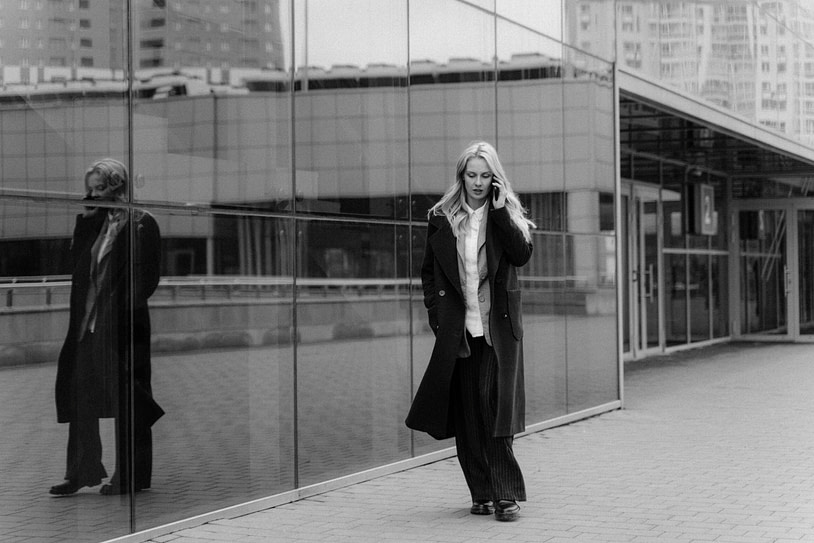
The aura of confidence isn’t about puffing your chest, raising your voice, or trying to dominate the room. Real confidence doesn’t scream—it radiates. It’s alignment. It’s the silent energy that moves before you do. The way you carry yourself, the stillness in your presence, the warmth in your tone, the certainty in your eyes—it all communicates one thing: this person knows who they are.
"The privilege of a lifetime is to become who you truly are."
– Carl Jung
Think about the last time you met someone who didn’t need to prove themselves. They didn’t rush their words. They didn’t oversell their worth. They simply stood in who they were—and somehow, everyone leaned in. That’s the aura of confidence.
When you cultivate it, life changes in subtle but powerful ways. Opportunities seem to find you. Doors open without you knocking. Relationships deepen because people trust you. Respect arrives unforced—because people sense strength and stability in your presence.
And here’s the truth: confidence isn’t magic. It’s not something only a few people are born with. It’s a practice. A series of daily choices. How you prepare before stepping into the world. How you choose to speak—with clarity instead of doubt. How you carry yourself—with presence instead of shrinking. How you live—in alignment with your values, even when no one is watching.
Over time, these choices stack. Slowly, they create that invisible field—the aura people feel when you walk into a room. At that point, you’ll no longer need to say you’re confident. People will know. They’ll feel it in the air before you even introduce yourself.
If you’re ready to start building that kind of presence—the kind that doesn’t just boost your self-image but reshapes your entire life—then you don’t have to figure it out alone. That’s exactly why we created Mindset Boosters. Think of it as a 7-day reset for your inner confidence: daily tools, mental rewires, and practical exercises to help you step into the version of yourself you’ve always known was possible.
Start your free 7-day trial of Mindset Boosters today—and experience what it feels like to walk through life with unshakable confidence.